AI can do it, so what's the point?

Will an AI robot replace my job? We’ve been hearing some form of this question and various replies for a while now, including, “someone who knows AI will…” I think those of us who’ve spent significant time with these models understand what it can and can’t do today, and we also know it will continue to get better.
A lot of my current view was heavily influenced by a music producer on YouTube, Venus Theory, who gets constantly asked: I've been making music for years, and AI can do it. What's the point anymore?
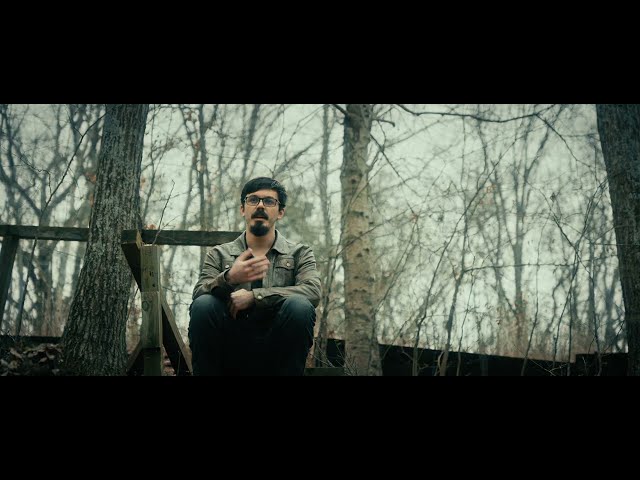
So AI Makes Better Music Than You...Now What? — Venus Theory
He asks musicians whether they make music to be heard or to be listened to. Hearing is cheap. Anyone can ask a model anything and an answer arrives, instantly at any hour. The availability of answers is almost infinite. You might get some people to hear some of that.
Listening, or attention, is actually different work. Someone who’s listening notices that phrase you’ve unconsciously repeated. Catches the way you started a reply internally and then goes back to tactile, tangible work items. Coaching, as a profession, can be about the things we aren’t saying as much as we do.
Venus has a phrase for why the machine skips that part: an intent deficit. The model "can certainly mimic things, but it has no reason for doing so." He compares AI art to having a conversation with a realistic statue. The lights are on, but no one is home. In a coaching session, that gap or space can become the focus. Not just what we do, but the why behind it. Sometimes the why is an expectation placed upon us, and other times, we’ve unknowingly created the walls we crash up against.
He also talks about limitations. A new guitar player who can't reach certain chords finds a workaround, and the workaround becomes their sound. Conversations have the same feeling, and talking a problem out with another human works because neither of you is perfectly optimized. You say the thing in fragments, hear yourself say it out loud as a poor recreation, and start revising it toward what you meant. You start taking those thoughts in your head and refining it through another lap. Perfect answers skip that whole rethinking part, where you start to understand why you think that way. Being heard by someone who will listen and doesn't need to be perfect to help you.
I also really recommend that we start reconsidering AI as one of the means, instead of the end. As of today, it’s not like the Sixth Sense kid in robot form who questions its own reality. AI today is the collected work of millions of people, that now has the means to remix and combine and analyze. A tool made by people, not always perfect like us. We shouldn’t be using it to just generate walls of text, we should consider it as one of the ways to extend what people make. In this way, it puts the responsibility back to us where it lives.
For the most part, I know when to handwash, and when to put dishes in the kitchen appliance.
Couple questions to consider:
- When was the last time you talked something out and changed your mind halfway through the conversation?
- Who truly listens to you at work? Whom do you listen to without needing to fix for them?
Traffic Signs
Some of the news and content I've been consuming related to the spaces I work in... Learning & Development, HR/People Ops, Leadership, OD, and Professional Coaching.
WorkLife with Molly Graham
- I've been enjoying Molly Graham's takeover of Adam Grant's WorkLife feed, and this talk is the latest episode that’s spoken to me personally. Its message is to really embrace the unknown, to take the risk. What qualifies as a risk, doesn’t always have to be a big one like a job change.
- She also talks about working with a professional coach, which i love, and explains the process that her coach tackled limiting beliefs by giving them voices and names. Molly explains how she has come to understand that comes from parents childhood, which I think is fantastic insight, but has the concern of conflating coaching and therapy. She also wrote the "give away your Legos,” which she explains reached a lot more people who want to talk about the emotional side of works. That’s a big part of my work here too.
- You’ll hear her frequently bring on connections she's had from her time at Google and Facebook (now Meta), and her guests bring some real insight into what the work looked like in times of major change and growth, and what they’ve learned since then.
- I’d also really recommend checking out : Why success is never linear, with Claire Hughes Johnson. When I heard this, I was in the middle of a huge project delivery, and the pressure was on. I knew I was giving a great end result, but the path it took to get there was so grueling. I wasn't sure I had been making the right choices. It turns out you never do, until you look back.
Rites of Passage | Amy Santee
- Amy Santee has a background in anthropology, and coached people in UX design. She’s launching her new project as a Career Strategist and newsletter geared towards professionals outgrowing their work identity and landscape. That confusing transition state, where you no longer fit your own shoes, but yet haven't found where could fit in… she calls that liminality.
- Rites of Passage launched today, and her website as visually delightful as much as it will resonate with people struggling to articulate the career limbo. Take it best from people who have gone through, or continue to go through it. I am eager to see what she will contribute and share to the space. She’s got ICF roots and she’s a seasoned practitioner
- Career coaching is very challenging, as every client wants the same thing. The offer letter of the next job in hand. When did we want that? Yesterday, of course. Partnering with support never takes that final piece of the puzzle away, but it can be radically freeing to allow yourself to accept and invest in support along the way.
Coaching in a Changing World | ICF
Article - International Coaching Federation
- One of the biggest cost issues with professional coaching is being able to charge a rate that the coach can make a living from, and being able to price it to be accessible to those who need it the most. As coaching is being more commonly accepted as a corporate talent modality or intervention, that starts opening up to people beyond senior leadership.
- Most coaches have already encountered complicated portfolio jobs and gigs. Instead of clients struggling with a single major change, it’s weekly to daily they are being asked to navigate multiple changes in technology, job expectations, market responses, and the never ending desire for “more.”
- Coaches who understand the emotional dimensions of AI adoption "may become especially valuable." Who could have known?
- But attention and time are now just as big of factors in successful engagements. In true coaching fashion, this article brings more questions than answers, but does bring up access, affordability, and flexing on delivery.